Reach
We go where needs and opportunities are greatest, building relationships with villages, traditional leadership and local stakeholders before any project begins.
Zone 12, Rufunsa District
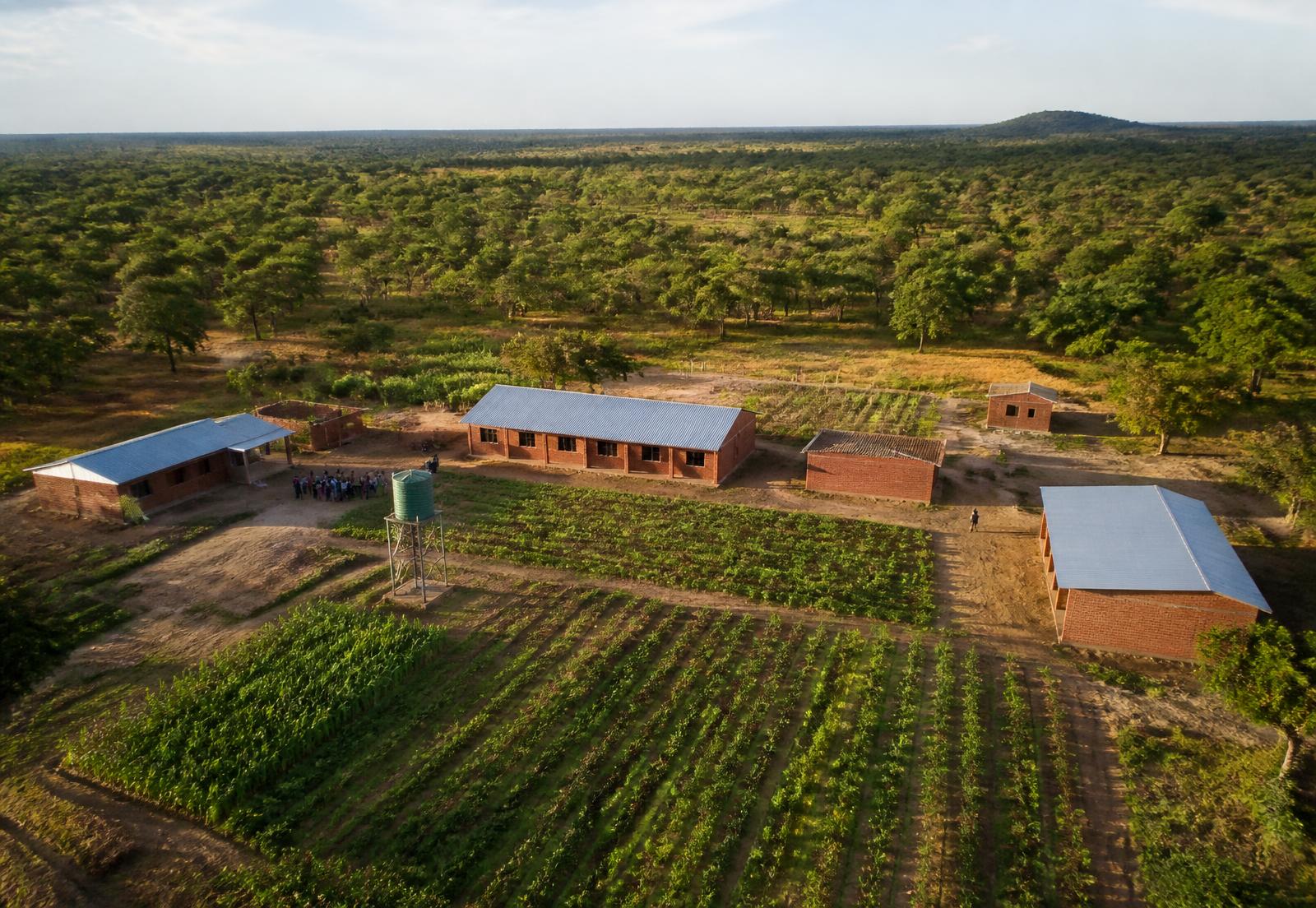
BLF's work is centered in Zone 12 of Zambia's Rufunsa District, encompassing 15 rural villages and more than 15,000 residents. Geographic isolation can make access to water, education, markets, healthcare and economic opportunity difficult.
Why Zone 12
In Zone 12, distance shapes daily life. When water, schooling, markets, healthcare and training are all far away, the effort of reaching any one of them limits what a family can do about the others. Time spent walking for water is time not spent farming or in class.
Because these pressures are connected, they are difficult to solve one at a time. BLF chose to concentrate its work in a defined area so that progress in one part of community life can reinforce progress in the rest.
One area, one development model
Rather than treating each village as an isolated project, BLF coordinates water, education, agriculture, skills, women's empowerment and enterprise across the whole zone.
A borehole makes a school day possible. A school makes literacy possible. Literacy makes financial training and enterprise possible. Sequenced together across fifteen villages, the individual projects begin to behave like a single development system.
Watch
A short look at Blessed Land Foundation's initiatives across Rufunsa District.
The heart of the vision
“Blessed Place”
Malo Odala is a 105-acre development hub being established as the central platform for BLF's work in Zone 12. Instead of asking rural families to travel long distances for every service and opportunity, it brings essential resources closer to the people they serve.
Malo Odala isn't simply a piece of land. It is where BLF's community-development model comes together.
The development area
BLF's development area sits within Rufunsa District, east of Lusaka. Our offices are in Chongwe, about 40 kilometers from Zone 12. The map here shows the district where the fifteen villages of Zone 12 are located. Individual village positions and names are not shown.
Development pathway
Three sequential commitments that shape how BLF enters and works within a community.
We go where needs and opportunities are greatest, building relationships with villages, traditional leadership and local stakeholders before any project begins.
We equip people with practical knowledge in agriculture, trades, financial literacy, entrepreneurship and early childhood education.
We help communities put resources and skills to work, creating opportunities for families to earn income, build businesses and strengthen the wider area.
Self-reliance
Success is not a community that needs BLF permanently. It is a community increasingly capable of building its own future by maintaining its infrastructure, teaching its own children, farming productively and running local enterprise.
That is why every program pairs something built with something learned.
A model we hope to share
BLF's aspiration is that the Zone 12 approach can inform development work in other rural areas over time. We are not claiming that the model has been replicated elsewhere. Zone 12 is where the work is proving itself first.